
Top Stories · October 8, 2026
Why are gas prices still high even as traffic improves in the Strait of Hormuz?
CadNews does not determine absolute truth or endorse political viewpoints. It compares publicly available reporting, identifies shared facts, highlights framing differences, and flags uncertainty.
About these outlets
Neutral Summary
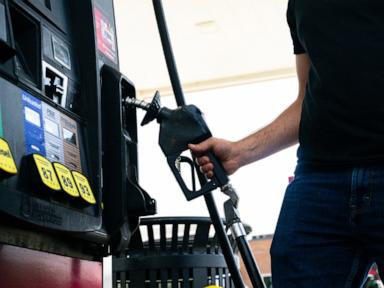
Recent data from tracking firm Kpler indicates that oil exports from the Middle East have largely returned to pre-war levels, despite ongoing conflict involving Iran. While tanker traffic in the Strait of Hormuz has significantly improved, U.S. gas prices remain high, averaging over $4.30 per gallon. Analysts attribute this price disconnect to high transportation costs, war-related risks, and the use of alternative trade routes like Saudi Arabia's East-West pipeline. Simultaneously, the U.S. maintains a naval blockade on Iranian oil, leading to conflicting claims: Tehran asserts it controls the Strait, while U.S. officials, including Secretary Marco Rubio and President Trump, argue Iran has lost its grip on the waterway and its own economy.
Recent data from tracking firm Kpler indicates that oil exports from the Middle East have largely returned to pre-war levels, despite ongoing conflict involving Iran. While tanker traffic in the Strait of Hormuz has significantly improved, U.S. gas prices remain high, averaging over $4.30 per gallon. Analysts attribute this price disconnect to high transportation costs, war-related risks, and the use of alternative trade routes like Saudi Arabia's East-West pipeline. Simultaneously, the U.S. maintains a naval blockade on Iranian oil, leading to conflicting claims: Tehran asserts it controls the Strait, while U.S. officials, including Secretary Marco Rubio and President Trump, argue Iran has lost its grip on the waterway and its own economy.