
Politics · October 10, 2026
In Spain’s Ceuta, a delayed government response leaves underage migrants on the streets
CadNews does not determine absolute truth or endorse political viewpoints. It compares publicly available reporting, identifies shared facts, highlights framing differences, and flags uncertainty.
About these outlets
Neutral Summary
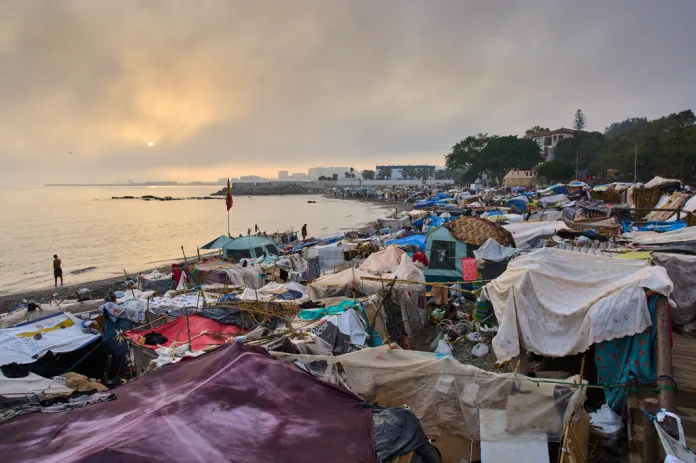
In the Spanish enclave of Ceuta, hundreds of unaccompanied Moroccan minors are living in makeshift camps or on the streets following a significant border crossing event in July. While Spanish law entitles these minors to shelter, healthcare, and education, the local and national governments are struggling with a delayed and often improvised response. There is a dispute between Ceuta's mayor, who advocates for returning the minors to Morocco, and the national government, which emphasizes case-by-case processing and has allocated 90 million euros in funding. Meanwhile, human rights organizations have reported allegations of mistreatment and unsafe conditions for those remaining in the territory.
In the Spanish enclave of Ceuta, hundreds of unaccompanied Moroccan minors are living in makeshift camps or on the streets following a significant border crossing event in July. While Spanish law entitles these minors to shelter, healthcare, and education, the local and national governments are struggling with a delayed and often improvised response. There is a dispute between Ceuta's mayor, who advocates for returning the minors to Morocco, and the national government, which emphasizes case-by-case processing and has allocated 90 million euros in funding. Meanwhile, human rights organizations have reported allegations of mistreatment and unsafe conditions for those remaining in the territory.