
Politics · October 11, 2026
‘A living hell’: how Los Angeles got taken over by mosquitoes
CadNews does not determine absolute truth or endorse political viewpoints. It compares publicly available reporting, identifies shared facts, highlights framing differences, and flags uncertainty.
About these outlets
Neutral Summary
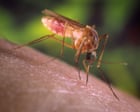
Los Angeles is currently experiencing one of its most severe mosquito seasons in recent history, driven by heatwaves and high humidity. Experts attribute the spike to an exceptionally mild winter and a powerful El Niño event, which have extended the breeding season and increased mosquito activity. Los Angeles County has recorded over 180 West Nile virus cases this year—the highest in nearly a decade. While the endemic Culex mosquito primarily spreads West Nile, the invasive Aedes genus (known as 'ankle biters') has become a major nuisance in suburban areas due to its preference for human blood and ability to breed in tiny amounts of stagnant water. Local vector control districts are utilizing trapping, adulticide spraying, and experimental sterile male release programs to mitigate the population.
Los Angeles is currently experiencing one of its most severe mosquito seasons in recent history, driven by heatwaves and high humidity. Experts attribute the spike to an exceptionally mild winter and a powerful El Niño event, which have extended the breeding season and increased mosquito activity. Los Angeles County has recorded over 180 West Nile virus cases this year—the highest in nearly a decade. While the endemic Culex mosquito primarily spreads West Nile, the invasive Aedes genus (known as 'ankle biters') has become a major nuisance in suburban areas due to its preference for human blood and ability to breed in tiny amounts of stagnant water. Local vector control districts are utilizing trapping, adulticide spraying, and experimental sterile male release programs to mitigate the population.